

The 2025 Update on Vancouver's Vegan Restaurants
by Yuveganlife, December 31, 2025Last Updated: July 2, 2026
Chi was closed in 2025.Update History:
- On January 10, 2026: Added the latest Canadian restaurant industry research data for 2025, conducted by Dr. Sylvain Charlebois of Dalhousie University.
- on January 3, 2026: Baen Burger Bar was closed along with Mila.
Introduction
Just over a year ago, we reflected on the remarkable evolution of Vancouver’s vegan dining scene in From Seedlings to Culinary Blooms: A 20-Year Journey of Vancouver’s Vegan Eateries. At the time, the story felt one of steady growth, shaped by two decades of passion, creativity, and a rising demand for plant-based food, even through the pandemic and years of economic uncertainty.By 2025, however, the picture has become far more complicated. Yuveganlife data shows that more than ten vegan restaurants across Metro Vancouver have closed, while only four new vegan eateries have opened, signaling a clear shift in momentum.
This article examines the latest developments in vegan dining across Metro Vancouver, focusing on the fourth quarter of 2024 and the year 2025. Specifically, it explores:
- The surge of vegan eateries in the fourth quarter of 2024
- The wave of vegan restaurant closures in 2025
- Newly opened vegan eateries in 2025
- A case study: The Moody Foody
The surge of vegan eateries in the fourth quarter of 2024
The fourth quarter of 2024 was particularly exciting, reversing the trend of more closures than new openings seen in 2023 and the first three quarters of 2024.This shift was driven by 4 new vegan establishments openings such as Odd Burger restaurant and truck, along with the 6 vegetarian establishments of The Juice Truck transitioning to fully vegan.
The Juice Truck chain broke the conversion pattern observed over the past 20 years and identified in last year’s article, offering a renewed signal of momentum. This development raises hope that more conversions may occur in the future.
As of December 2025, Metro Vancouver has 61 operational vegan eateries as shown in Chart 1 below.“This pattern, though a minor contributor to growth over the last 20 years (the light blue lines in Chart 2), suggests there is still significant potential for converting traditional eateries to fully vegan in the coming decades.”
The wave of vegan restaurant closures in 2025
It is disheartening to see that a total of 13 vegan eateries closed in 2025, most of which had been operating for five years or more. Some were long-established and well-known, including Mila (Est. 2020), Meet in Gastown (Est. 2016), Chau Veggie Express (Est. 2011), and The Juice Truck locations on Main Street (Est. 2018) and in Yaletown (Est. 2017).The underlying reasons for these closures remain consistent with the cumulative factors identified in last year’s article:
While two additional factors have further intensified industry pressures."Economic disruptions from the COVID-19 pandemic, higher inflation, shifting consumer preferences, reduced dining spending, rising costs of rent, labor, food and supply chain issues have amplified challenges, leading to a significant turnover in the industry."
Since this spring, escalating tariff disputes have further intensified these pressures, not only by driving up operational costs for businesses, but also by weakening the broader Canadian economy. Higher import prices, increased uncertainty, and slower business investment have contributed to layoffs, reduced household incomes, and more cautious consumer spending, all of which place additional strain on already fragile restaurant margins.
In addition, a notable structural shift has emerged: a growing number of conventional restaurants have introduced vegan options, also drawing some customers away from fully vegan eateries and intensifying competition within a shrinking dining market.
According to the research published by Dr. Sylvain Charlebois of Dalhousie University on January 8, 2026[ 1 ], and reported by major Canadian News outlets such as Toronto Star[ 2 ], Canada experienced a net loss of around 7,000 full service restaurants and limited-service eating places against a 2024 baseline of 93,000 eateries. This represents a closure rate of approximately 7.5%. Meanwhile, vegan eateries in Metro Vancouver saw a higher closure rate of 10% (a net loss of 7 in 2025 out of 69 in 2024), suggesting that vegan establishments may face greater operational pressures than conventional ones.
A complete list of newly opened, converted, and closed vegan eateries in 2025 is provided in Table 2.
Newly opened vegan eateries in 2025
There are 4 new vegan restaurants opened in 2025, with a distinct positioning:- Baen Burger Bar operates as a pop-up concept, also offering online ordering through Uber Eats and DoorDash as a virtual restaurant, which is a subsidiary of Mila, and temporarily closed on Door Dash in 2025.
- Cofu Pressed Sushi launched its second location in Chinatown, introducing Canada’s first fully plant-based omakase experience. The venue also features a creative sober bar, serving non-alcoholic beverages.
- DIX Lounge positions itself as an affordable late-night destination in Gastown, featuring a $10 “Everything Menu” for both food and drinks and operating until midnight as a social and creative hangout space.
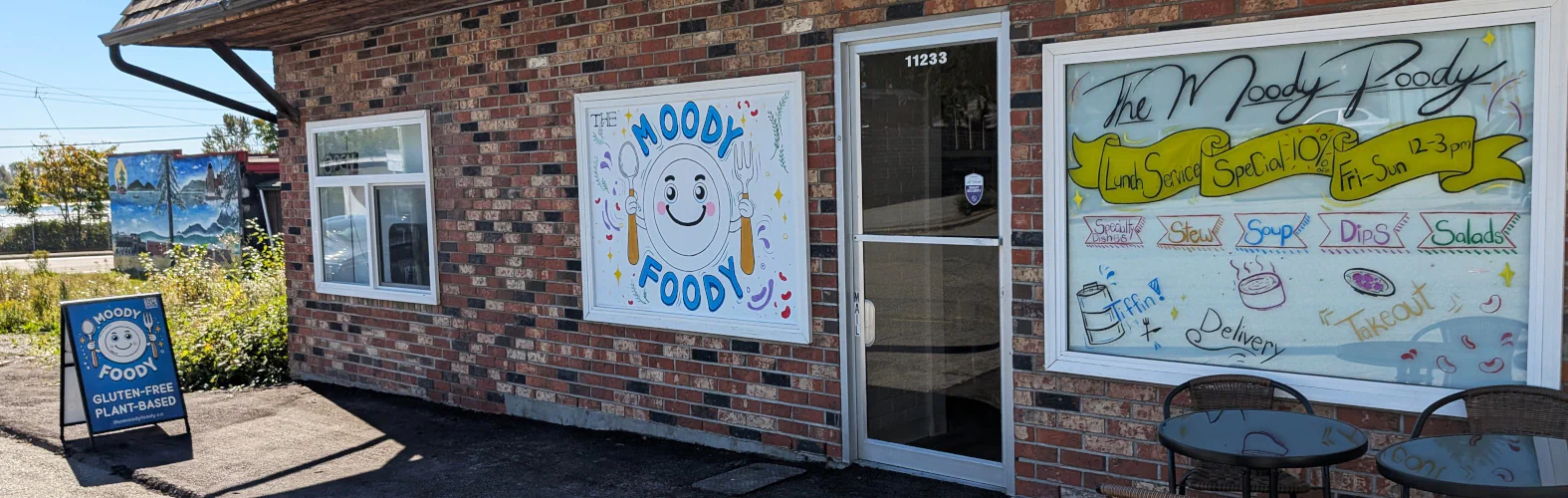
- The Moody Foody has a fully dedicated gluten-free and vegan kitchen serving across the Tri-Cities, Pitt Meadows, Maple Ridge, Langley, and Surrey at reasonable price, with a homey, community-oriented dining atmosphere. It also sells packaged products and provides a tiffin-style meal delivery service.
A case study of The Moody Foody: the strategic resilience in economic headwinds
The Moody Foody, was cofounded by vegan chef Sepi Marandi and vegan realtor Namir Faraj in March 2025, located in the quiet, historic community of Port Hammond in Maple Ridge, is a family-style, fully vegan and gluten-free takeout restaurant with whole-food and mostly organic ingredients. It offers seating for up to 10 diners outdoors in summer or indoors during colder or rainy weather.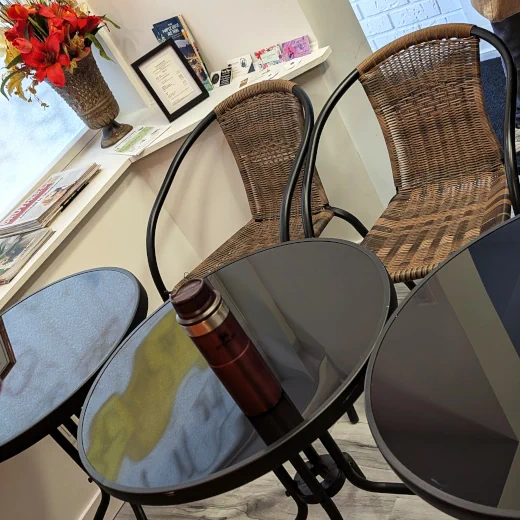
A closer look at The Moody Foody reveals how its strategy and operations have enabled it to remain resilient during its early growth phase amid the pressures of the 2025 market.
Farmers markets and direct sales as a new revenue channel
In the spring of 2025, the newly opened restaurant faced immediate market challenges intensified by the escalating U.S.-Canada trade war. The impact also extended to the psychological stress and negative optics across their customer base. "Some of our well established patrons, with good jobs and careers have cut down on tiffin service", Namir said.In response, the business strategy has focused on expansion through outreach rather than extraction. The owners commit to constant grassroots marketing since then: meeting new people, entering new spaces, and steadily broadening awareness of the brand, mainly at various farmers markets. It helps to direct customer interaction, product sampling, menu distribution, and real-time feedback loops.
Namir's assessment of farmers market impact is particularly instructive. Initially, the strategy was brand awareness: distributing menus and directing customers to the physical location. But markets quickly evolved into a vital revenue stream.
Sales of frozen prepared dishes, dips, baked goods, and desserts not only supplemented income but, "at one point, the majority of our income was coming from markets and saved us during slow weeks... I think markets may have saved us during the summer months" Namir said. Moreover, it also introduces these new satisfied customers to seek out the physical location later on.
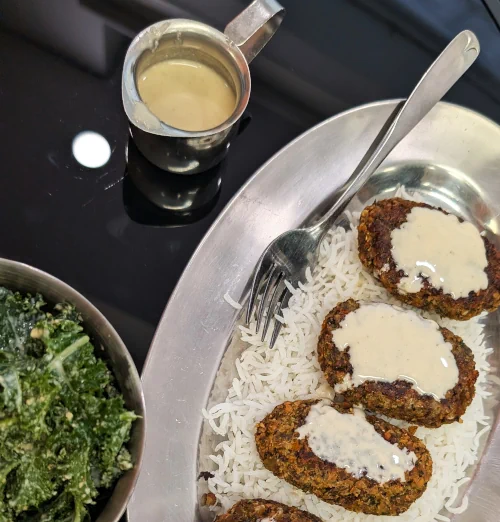
More importantly, markets functioned as a real-world testing ground. Products such as the veggie kebab gained traction in this environment, laying the groundwork for future retail expansion. The next phase will be focused on packaging, labeling, and wholesale readiness, reflects a strategic move that direct-to-consumer food products are no longer optional but essential for small restaurants navigating economic volatility.
Location as Both a Constraint and a Differentiator
The initial assumption that a Vancouver location would offer superior market opportunity has been inverted by market realities. High-traffic intersections, dense populations, rapid transit access, and high-rise adjacency are all associated with premium real estate costs and intense competitive saturation with reduced customer spending[ 3 ].Housed in a standalone building within a close-knit community, while geographically isolated from downtown cores, The Moody Foody benefits from distinct strategic advantages that help offset lower walk-in traffic.
First, the restaurant sits within a regional ecosystem that is structurally underserved in dedicated dietary accommodation. Maple Ridge and surrounding regions lack competitors offering combined vegan and gluten-free cuisine at professional quality levels. It positions the restaurant as a destination for those seeking safe, specialized dining, particularly for gluten-free patrons who prioritize cross-contamination-free facilities.
Second, the location functions as a strategic node in an emerging tourism corridor. Proximity to the Golden Ears Bridge, the historic bike path, and major recreational destinations (Golden Ears Park, lakes, regional trails) has also positioned it as a natural stop for commuters, cyclists, and visitors, particularly American travelers en route to local parks, lakes, and short-term accommodations.
These customers are engaged in intentional discovery, searching for dining options near their lodging or activities, rather than relying on random discovery, arriving with expectations already shaped by reputation rather than convenience alone. In an era of digital-first dining discovery (Google Search "vegan restaurant near me", Google Maps, reviews, social media platforms, dietary restriction app like Find Me Gluten Free and deal app like Plant Curious), geographic distance from downtown becomes less relevant; instead, strategic positioning near destination activities and commute corridors becomes an asset.
Third, the business attracts patrons from across the Lower Mainland (North Shore to Chilliwack), Interior BC (Kelowna), and Washington State. This multi-regional draw, concentrated in the first year of operations, suggests that the restaurant's value proposition resonates beyond local proximity, indicating that quality, dietary accommodation, and culinary distinction override location friction.
Fourth, production can be scaled more easily due to lower real estate rental overhead.
Operational Focus: Quality, Consistency, and Customer Care
Chef Sepi’s formal training at Vancouver Community College (VCC) and her experience in high-end Vancouver restaurants are reflected in the consistency, balance, and execution of each dish, all offered at accessible price points. Her approach to cooking is rooted in well-being and nourishment, prioritizing comfort, food quality, and customer experience over profit maximization. This philosophy is evident in how diners often describe feeling satisfied and fulfilled rather than heavy after a meal, experiencing food that is both comforting and energizing.Complementing the kitchen is co-founder Namir’s warm, attentive, and personable approach to customer service. His genuine hospitality helps create a welcoming, relaxed dining environment where guests feel at ease from the moment they arrive.
"We joke and say we're high-strung demanding perfection so if you're not satisfied, we'll make it right!", Namir said.
Together, this combination fosters the dining space that encourages conversation, connection, and a sense of ease, whether among friends dining together or strangers bonding over shared values around food and health, or animal and environment. The result is a memorable and meaningful experience for conscious diners.
Multi-Channel Revenue Streams
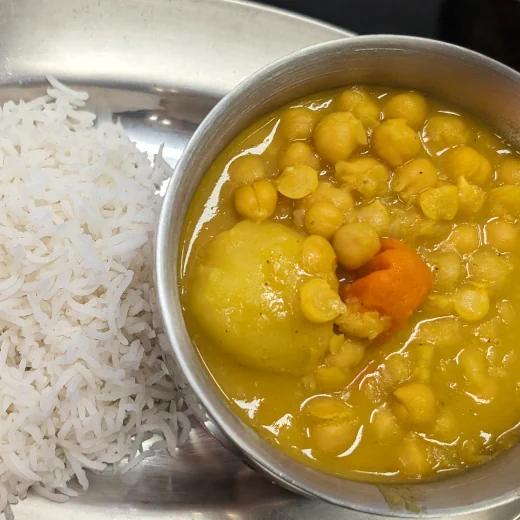
The Moody Foody employs a diversified revenue strategy that extends beyond traditional restaurant service. Besides dining in, takeout, collaborating with delivery platforms such as Skip the Dishes, catering, it also offers Tiffin service, direct sales at farmers markets and retail expansion. The Tiffin model generates recurring revenue from subscription-oriented customers and appeals to professionals seeking convenient, dietarily-safe meals, more scalable and efficient relative to dine-in service.Customer Retention and Engagement
Customer retention is reinforced through several value-driven programs, including a POS-integrated loyalty system, promotional partnerships such as Plant Curious, and targeted discount periods on weekends.Rather than relying heavily on paid advertising, The Moody Foody prioritizes reinvesting value directly back into customers. This approach strengthens repeat visitation, builds long-term loyalty, and represents a more cost-effective marketing strategy during a period of heightened economic uncertainty.
Diversified Demand Beyond the Local Vegan Base
While being vegan is their identity, their success derives largely from appealing to traditional eaters seeking comfort foods (soups, stews, sandwiches) and the gluten-free community, which prioritizes food safety of a dedicated facility and consistency above all else. It is a health-conscious comfort food restaurant that happens to be entirely plant-based for these customers.The loyal gluten-free customer base has proven more reliable and stronger than the local vegan groups since many modern vegans prefer to convenience and accessibility over supporting vegan establishments, and seek out veg friendly options in meat restaurants like KFC, McDonalds, etc.
Technology Infrastructure and Operational Complexity
Despite being a small operation with only two executive decision-makers, The Moody Foody manages a complex technology ecosystem, including dish delivery platform like Skip the Dishes, a point-of-sale system, online ordering, a loyalty rewards program ("Moody Points"), bookkeeping, and presence across Facebook, Instagram, Google Maps/reviews, and Yelp.While these tools enable reach and efficiency, they also place a heavy cognitive and operational burden on a small founding team. With strategic decisions currently shared between the owner and the chef, there is growing recognition that long-term resilience may require broader governance, potentially through partners or an advisory board.
Lack of support ecosystems for vegan entrepreneurs
Namir articulates a broader ecosystem insight: "Support is the number one predictor of success." He envisions a collaborative vegan business ecosystem, multiple vegan enterprises under one roof sharing resources like vehicles, tents, and staff to attend various markets simultaneously. This ideal draws inspiration from business networking models like BNI (Business Network International), though current vegan networking organizations haven't yet generated these types of strategic partnerships. Namir also notes that support from a wider audience is also important: "Support doesn't mean buying everyday rather helping to stay top of mind, spread the message, engaging, reposting, etc. "Conclusion
As 2026 approaches, the story of Vancouver's vegan scene is still unfolding, shaped by resilience, innovation, and growing depth. Despite significant challenges in 2025, the focus has shifted from simply offering vegan options to delivering exceptional dining experiences judged by taste, execution, and atmosphere.While the market has grown more competitive, Vancouver's vegan community remains vibrant and passionate: adapting, refining, and proving that excellence, not labels alone, will define the next chapter.
Disclaimer
This data analysis study was designed and conducted independently by Yuveganlife.com, with no affiliation or involvement with any other organizations.The data used in this study may not be 100% accurate or complete.
Table 1: The list of newly opened, converted, and closed vegan eateries in 2024
| Name | Company Type | City | Founded Year | Vegan Year | Closed Year | |
|---|---|---|---|---|---|---|
| AM Cafe | Vegan cafe, tea, and juice bar | Vancouver | 2024 | |||
| Good Dogs Plant Foods Restaurant | Vegan restaurant | Vancouver | 2021 | 2021 | 2024 | |
| Good Dogs Plant Foods | Vegan food truck | Vancouver | 2024 | |||
| Grounds & greens cafe, Fort Langley | Vegan cafe | Langley | 2024 | |||
| Lotus Seed | Vegan restaurant | Vancouver | 2014 | 2014 | 2024 | |
| Odd Burger Food Truck | Vegan food truck | Vancouver | 2024 | |||
| Odd Burger on Main | Vegan restaurant | Vancouver | 2024 | |||
| Say Hello Sweets Cafe | Vegan cafe | Vancouver | 2019 | 2023 | 2024 | |
| The Juice Truck, Burnaby | Vegan cafe, tea, and juice bar | Burnaby | 2024 | |||
| The Juice Truck, Cambie | Vegan cafe, tea, and juice bar | Vancouver | 2024 | |||
| The Juice Truck, Main Street | Vegan cafe, tea, and juice bar | Vancouver | 2018 | 2024 | 2025 | |
| The Juice Truck, Mount Pleasant | Vegan cafe, tea, and juice bar | Vancouver | 2011 | 2024 | ||
| The Juice Truck, Steveston | Vegan cafe, tea, and juice bar | Richmond | 2024 | |||
| The Juice Truck, Yaletown | Vegan cafe, tea, and juice bar | Vancouver | 2017 | 2024 | 2025 | |
| VeganZza | Vegan restaurant | Vancouver | 2024 | 2025 | ||
| Wild Trails Coffee | Vegan cafe | North Vancouver | 2011 | 2011 | 2024 |
Table 2: The list of newly opened, converted, and closed vegan eateries in 2025
| Name | Company Type | City | Founded Year | Vegan Year | Closed Year | |
|---|---|---|---|---|---|---|
| Aleph Eatery | Vegan restaurant | Vancouver | 2017 | 2020 | 2025 | |
| Baen Burger Bar | Vegan Pop-up | Vancouver | 2025 | 2025 | ||
| Chau Veggie Express | Vegan restaurant | Vancouver | 2011 | 2025 | ||
| Chau Veggi Express Granville Island Foodcourt | Vegan stand | Vancouver | 2016 | 2025 | ||
| Cofu Pressed Sushi, Chinatown | Vegan restaurant | Vancouver | 2025 | |||
| DIX Lounge | Vegan restaurant | Vancouver | 2025 | |||
| Down 2 Earth | Vegan restaurant | Langley | 2019 | 2025 | ||
| Liv's Vegan Bakery | Vegan bakery | White Rock | 2022 | 2025 | ||
| Meet in Gastown | Vegan restaurant | Vancouver | 2016 | 2025 | ||
| MILA | Vegan restaurant | Vancouver | 2020 | 2025 | ||
| Chi | Vegan restaurant | Vancouver | 2020 | 2025 | ||
| The Hestia Veggie | Vegan restaurant | Vancouver | 2024 | 2025 | ||
| The Juice Truck, Main Street | Vegan cafe, tea, and juice bar | Vancouver | 2018 | 2024 | 2025 | |
| The Juice Truck, Yaletown | Vegan cafe, tea, and juice bar | Vancouver | 2017 | 2024 | 2025 | |
| The Moody Foody | Vegan Takeout | Maple Ridge | 2025 | |||
| The Pizza Castle and Indian Curry | Vegan restaurant | Vancouver | 2018 | 2019 | 2025 | |
| VeganZza | Vegan restaurant | Vancouver | 2024 | 2025 |
Reference
1. Canada Is Poised to Lose 4,000 Restaurants in 2026. Does Anyone Care? by Dr. Sylvain Charlebois, Agri-Food Analytics Lab, Dalhousie University, January 08, 20262. CHARLEBOIS: Canada poised to lose 4,000 restaurants in 2026. Does anyone care? Official statistics will eventually reflect this contraction, but only after the fact, Toronto Star, January 08, 2026
3. Canadians are snacking more, drinking less and looking for more value for their shrinking dollar: 2025 Foodservice Facts report, Restaurant Canada, September 22, 2025